English
  Spanish
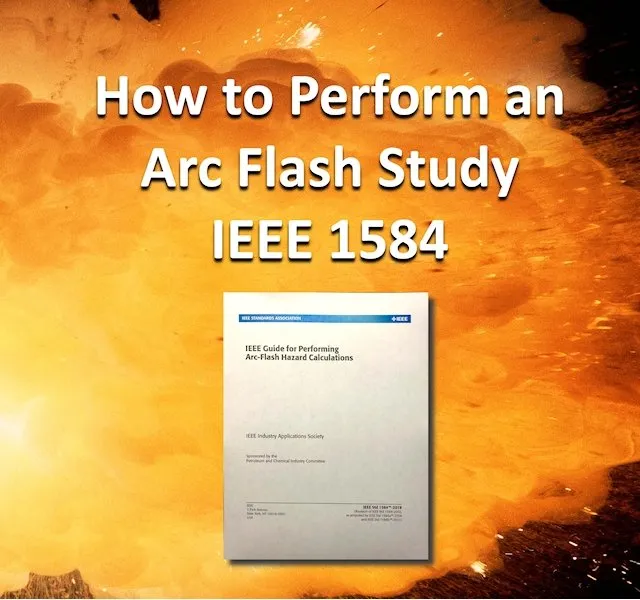
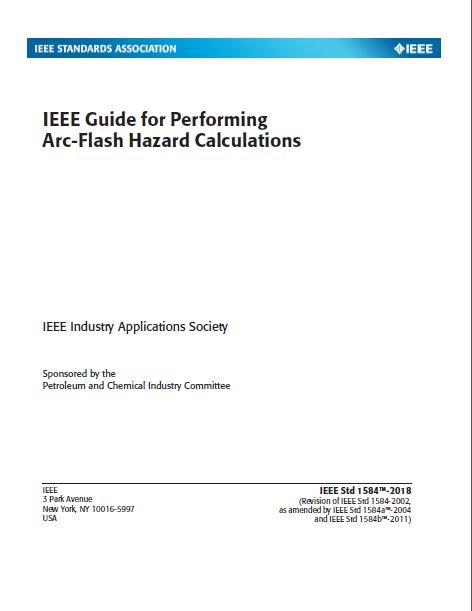


Course Content
Download: Arc Flash Calculation Worksheets
You don't currently have access to this content
Module 1: Introduction, Class Overview and Agenda | Duration 22:01
You don't currently have access to this content
Module 2: Electrical Hazards | Duration 39:23
You don't currently have access to this content
Module 3: Codes and Standards | Duration 15:03
You don't currently have access to this content
Module 4: Arc Flash Study Basics | Duration 25:05
You don't currently have access to this content
Module 5: Study Process and Arc Flash Testing | Duration 26:47
You don't currently have access to this content
Module 6: NFPA 70E Requirements | Duration 35:30
You don't currently have access to this content
Module 7: 2018 IEEE 1584 Development History and Major Changes | Duration 55:06
You don't currently have access to this content
Module 8: Major Changes Part 2: 125 kVA Transformer Exception, Grounding, Voltage Ranges | Duration: 15:12
You don't currently have access to this content
Module 9: Define Input Data | Duration 30:01
You don't currently have access to this content
Module 10: Overview of Calculation Steps | Duration 16:00
You don't currently have access to this content
Module 11: Arcing Short Circuit Current – Problem 1 – 480 Volts, 45 kA | Duration 42:54
You don't currently have access to this content
Module 12: Arcing Short Circuit Current – Problem 2 – 480 Volts, 30 kA | Duration 31:16
You don't currently have access to this content
Module 13: Enclosure Size Correction Factors – Problem 3 | Duration 27:53
You don't currently have access to this content
Module 14: Incident Energy 600 Volts and Less | Duration 54:36
You don't currently have access to this content
Module 15: Incident Energy – Problems 4 and 5 | Duration 46:42
You don't currently have access to this content
Module 16: Incident Energy – Problems 6 and 7 | Duration 17:47
You don't currently have access to this content
Module 17: Arcing Current Variation Factor – Problem 8 | Duration 14:01
You don't currently have access to this content
Module 18: Medium Voltage Arcing Current – Problem 9 – 4,160 Volts, 15 kA | Case Study – Fukushima Earthquake Arc Flash | Duration 35:46
You don't currently have access to this content
Module 19: Medium Voltage Enclosure Size and Incident Energy Calculations – Problems 10 and 11 | Duration 27:17
You don't currently have access to this content
Module 20: Medium Voltage Arc Flash Boundary – Problem 12 | Duration 9:26
You don't currently have access to this content
Module 21: Additional Hazards – Arc Flash Labeling | Duration 38:54
You don't currently have access to this content
Module 22: DC Arc Flash – Problems 13, 14 and 15 | Duration 22:22
You don't currently have access to this content
Module 23: PPE Requirements | Duration 16:03
You don't currently have access to this content
Final Quiz: How to Perform an Arc Flash Study
You don't currently have access to this content
Course Content
Download: Arc Flash Calculation Worksheets
You don't currently have access to this content
Module 1: Introduction, Class Overview and Agenda | Duration 22:01
You don't currently have access to this content
Module 2: Electrical Hazards | Duration 39:23
You don't currently have access to this content
Module 3: Codes and Standards | Duration 15:03
You don't currently have access to this content
Module 4: Arc Flash Study Basics | Duration 25:05
You don't currently have access to this content
Module 5: Study Process and Arc Flash Testing | Duration 26:47
You don't currently have access to this content
Module 6: NFPA 70E Requirements | Duration 35:30
You don't currently have access to this content
Module 7: 2018 IEEE 1584 Development History and Major Changes | Duration 55:06
You don't currently have access to this content
Module 8: Major Changes Part 2: 125 kVA Transformer Exception, Grounding, Voltage Ranges | Duration: 15:12
You don't currently have access to this content
Module 9: Define Input Data | Duration 30:01
You don't currently have access to this content
Module 10: Overview of Calculation Steps | Duration 16:00
You don't currently have access to this content
Module 11: Arcing Short Circuit Current – Problem 1 – 480 Volts, 45 kA | Duration 42:54
You don't currently have access to this content
Module 12: Arcing Short Circuit Current – Problem 2 – 480 Volts, 30 kA | Duration 31:16
You don't currently have access to this content
Module 13: Enclosure Size Correction Factors – Problem 3 | Duration 27:53
You don't currently have access to this content
Module 14: Incident Energy 600 Volts and Less | Duration 54:36
You don't currently have access to this content
Module 15: Incident Energy – Problems 4 and 5 | Duration 46:42
You don't currently have access to this content
Module 16: Incident Energy – Problems 6 and 7 | Duration 17:47
You don't currently have access to this content
Module 17: Arcing Current Variation Factor – Problem 8 | Duration 14:01
You don't currently have access to this content
Module 18: Medium Voltage Arcing Current – Problem 9 – 4,160 Volts, 15 kA | Case Study – Fukushima Earthquake Arc Flash | Duration 35:46
You don't currently have access to this content
Module 19: Medium Voltage Enclosure Size and Incident Energy Calculations – Problems 10 and 11 | Duration 27:17
You don't currently have access to this content
Module 20: Medium Voltage Arc Flash Boundary – Problem 12 | Duration 9:26
You don't currently have access to this content
Module 21: Additional Hazards – Arc Flash Labeling | Duration 38:54
You don't currently have access to this content
Module 22: DC Arc Flash – Problems 13, 14 and 15 | Duration 22:22
You don't currently have access to this content
Module 23: PPE Requirements | Duration 16:03
You don't currently have access to this content
Final Quiz: How to Perform an Arc Flash Study
You don't currently have access to this content